
How AI Is Shifting the Logic of Value Creation in LegalTech
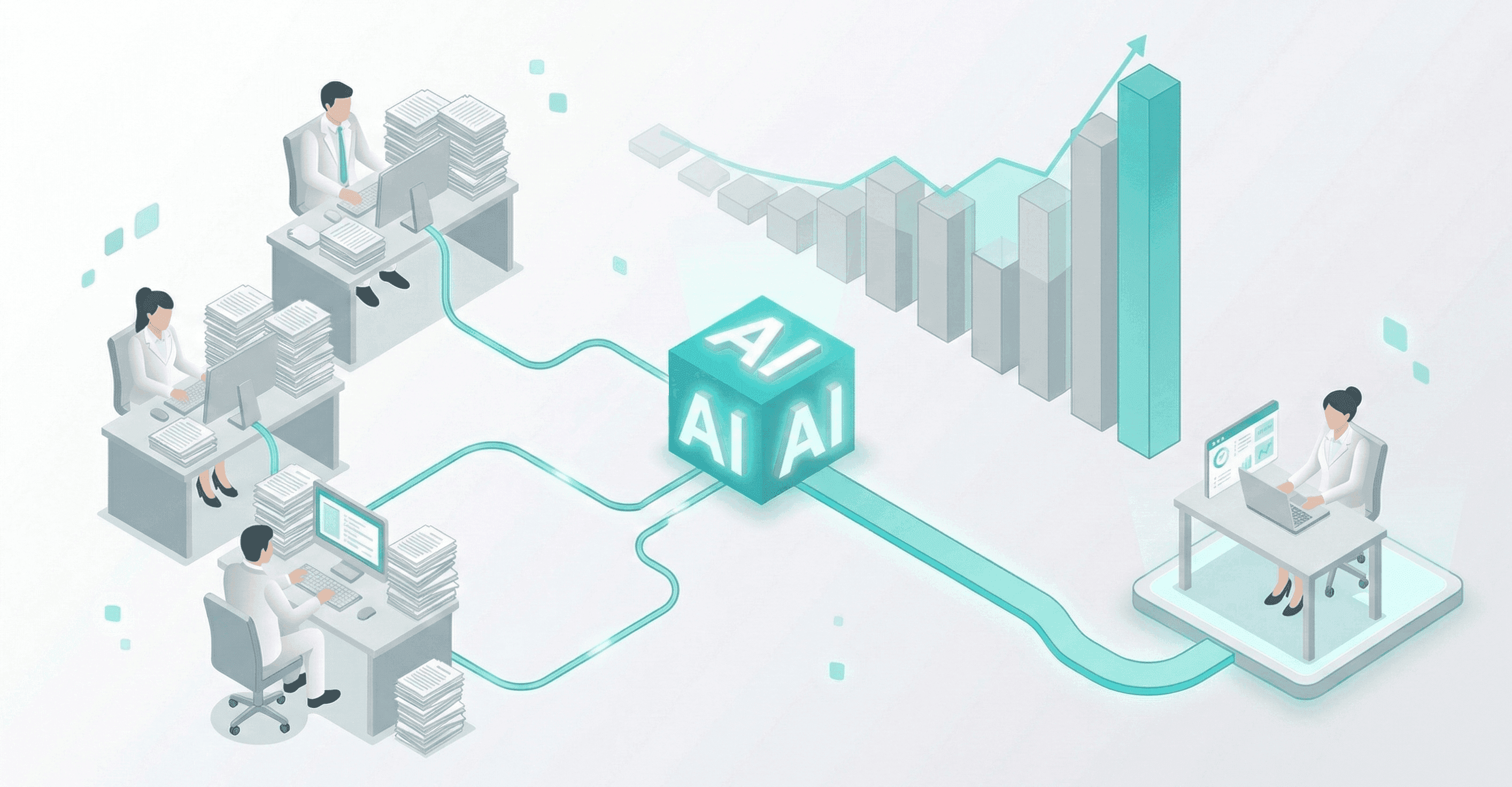
AI is beginning to reshape LegalTech platforms by structuring parts of legal reasoning inside the system. Over time, that shift may influence scalability, operations, and how these platforms are valued.

Mar 4, 2026
For most of the last decade, I noticed a pattern in almost every LegalTech conversation I had. No matter who was in the room (founders, operators, investors) it usually came back to digitization. Same milestones, same story. Paper files became case management systems, shared drives turned into cloud storage, and spreadsheets evolved into workflow tools as teams tried to keep pace with more and more information.
Those changes mattered because they improved coordination and made information easier to find and track. At the same time, when I look closely at how legal work actually unfolds inside many of these platforms, the underlying logic of the work still feels familiar.
Most systems evolved into efficient repositories of information. In practice, that meant a place to park documents, monitor deadlines, and answer the day-to-day question teams ask constantly: what’s the status? The reasoning process itself usually sits outside the platform. Lawyers read the material, interpret it, and decide how to proceed. The software mainly helps coordinate the execution around those decisions.
That model has remained surprisingly stable even as the tools improved.
What has started to change more recently is the way reasoning begins to appear earlier inside the system. The shift often happens quietly, and it rarely feels dramatic at the beginning. Yet once certain parts of the interpretive process start to move into the platform itself, the way these systems scale begins to look different. It also changes how investors think about what the technology actually represents inside the organization.

The limits of document-centric LegalTech
Looking back, it’s easy to see why that first wave of LegalTech was so document-driven. It was the most practical way to solve the problems firms had in front of them. Accessibility and coordination were the immediate priorities. Teams needed to know where documents lived, who owned them, and how deadlines were being managed across multiple cases.
Digital repositories addressed those problems well: they introduced traceability and gave firms a clearer view of their operations. What they did not necessarily change was the way legal judgment moves through the workflow.
When a platform is built mainly to store and retrieve information, it doesn’t really change how the work gets thought through; it changes the volume, so documents pile up faster, review cycles stretch as matters get more complex, and senior lawyers stay heavily involved, not because the software failed, but because interpretation still depends on judgment, context, and pattern recognition that live mostly in people’s heads.
I have seen this dynamic across several organizations. As case volume increases, coordination work increases with it. Teams spend more time reconciling interpretations, reviewing documents multiple times, or clarifying how certain criteria should be applied. The platform improves visibility, but much of the operational intelligence still resides within individuals rather than in the system itself.
Over time, that dynamic quietly gets in the way of scaling. Growth brings more activity, but it also adds more layers of review and coordination. And in many cases, organizations respond by hiring more experienced people rather than building systems that can actually handle complexity on their own.
For mid-market LegalTech companies, especially those backed by private equity, this pattern becomes harder to ignore as they expand. New teams come on board, acquisitions get folded in, workflows multiply. When the logic behind the work lives mostly in people's heads, complexity tends to pile up faster than the organization can get leverage from it.
Digitization helped: it reduced friction and made coordination smoother, but it rarely changed how people actually form judgment inside the organization. That gap starts to matter a lot more once AI enters the picture.

How AI is reshaping legal operations
In many of the systems I have worked with, the first impact of AI appears through a small shift in how work begins.
Instead of documents moving directly into human interpretation, the system starts to process them earlier. It can ingest large volumes of material, identify patterns across them, and surface inconsistencies that would normally appear much later in the review cycle. By the time a lawyer looks at the file, some of the structure is already there.
The change can feel incremental at first. You start noticing small things: automated signals popping up in the interface, summaries ready sooner than you'd expect. But as these features settle into the everyday workflow, the experience of legal work starts to feel different.
Risk signals tend to surface earlier, giving teams more time to respond. Inconsistencies between documents become easier to catch because the system is constantly scanning for them. And over time, teams naturally start aligning around shared standards, simply because the platform keeps reinforcing the same criteria across every matter.
None of this removes the role of legal judgment: lawyers still interpret context, weigh trade-offs, and decide how to proceed in situations that require professional expertise. What actually changes is the environment in which that judgment happens. Instead of working directly with raw information, professionals increasingly interact with signals that have already been partially organized and analyzed.
That shift may seem modest at first glance, yet it gradually influences how knowledge moves across the organization and how consistently decisions are applied.
Why operational maturity determines AI impact
One idea that keeps coming up in AI discussions is that powerful models can transform any operation just by being introduced into the system. In practice, the impact depends far more on how operationally mature the organization is than on how sophisticated the model is.
Some of the most meaningful work in these projects happens before AI enters the picture.
In one engagement with Esquire Depositions, for example, the early focus was on centralization and process discipline rather than advanced modeling. The team concentrated on building a unified platform and aligning data definitions across the system so that information could move reliably between components. Real-time synchronization became a priority because the platform needed to behave as a single operational environment.
Once that foundation was in place, the organization began to see significant efficiency improvements. The platform also created a centralized data layer that made the company’s operations easier to analyze and ultimately strengthened its enterprise valuation.
A similar pattern appeared in our work with Remote Legal. Before advanced analytics could contribute meaningfully, the deposition workflow had to be redesigned within a secure cloud environment with consistent data capture across the process. Only after that structure existed did the system begin producing reliable data that could support more intelligent interpretation.
Experiences like these keep pointing to the same thing. AI rarely creates operational maturity on its own. If anything, it exposes whether the organization already has the discipline to support it.
When workflows lack clear ownership, stable integration contracts, or consistent data definitions, even the smartest systems struggle to produce reliable outputs. But when the architecture is well structured, the platform can actually start learning from its own operations.
There is a common misconception that AI can simply be dropped into any legal operation and immediately transform it. In practice, impact depends far more on how mature the organization is than on how sophisticated the model is.

LegalTech platforms as valuation assets
Once reasoning begins to appear inside the platform itself, the role of the system gradually shifts. What initially functions as operational infrastructure starts to accumulate elements of the organization’s institutional knowledge.
That shift carries consequences that go beyond productivity.
Investors pay close attention to how expertise is distributed inside a legal organization. When most of the operational logic remains informal and concentrated among a small group of senior professionals, performance depends heavily on those individuals. It also becomes harder to integrate new teams or acquisitions because the processes have to be reconstructed through human interpretation.
When part of that reasoning becomes embedded in the platform, the organization begins to operate differently. Decision criteria are applied more consistently across teams. Onboarding becomes easier because the system carries a portion of the firm’s operational memory. New entities can integrate more smoothly since the workflow logic already lives inside the platform.
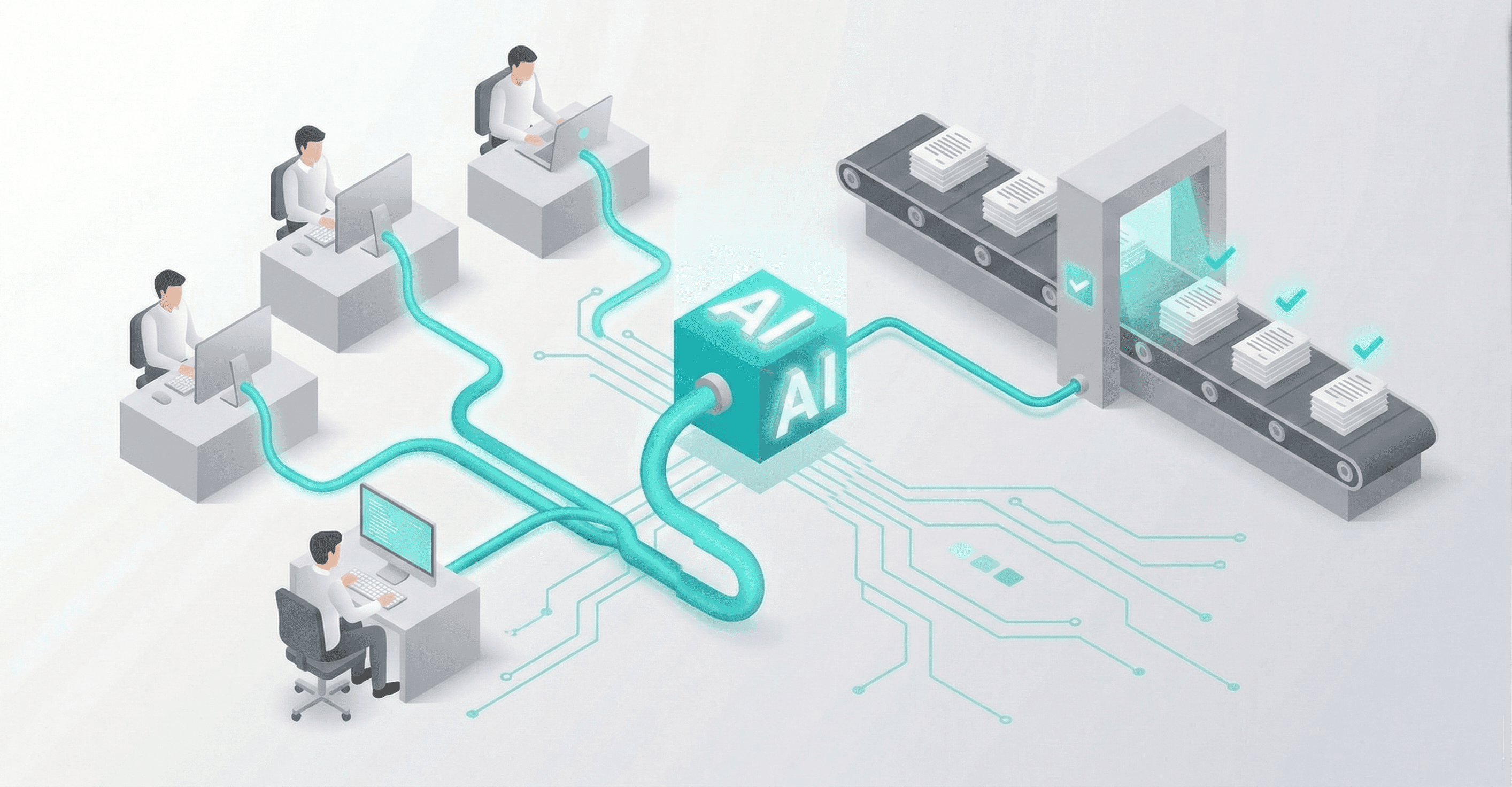
At that point the system starts to feel like more than a productivity tool. It becomes part of the firm’s intellectual capital because it captures how decisions are made and allows that knowledge to be reused across the organization.
For companies operating within private equity environments, that distinction matters. Repeatable processes make it easier to scale and absorb. And over time, that operational consistency influences how the company is valued.
AI in LegalTech as a capital strategy
LegalTech platforms are gradually evolving beyond document management. In some organizations that happens incrementally as new capabilities get layered onto existing infrastructure. In others it emerges through more deliberate architectural redesign.
The difference rarely comes down to replacing everything at once. What tends to matter more is whether the organization has a clear sense of how intelligence should live inside the system.
When conversations move in that direction, the focus often shifts away from isolated tools and toward the broader role technology plays in how decisions actually get made. Leaders start asking whether AI is simply speeding up individual tasks or whether it is helping capture judgment, risk assessment, and operational criteria inside the platform itself.
Over time those architectural decisions shape how knowledge accumulates inside the organization. They influence how easily new teams or acquisitions can align with existing workflows. And they determine how much expertise becomes part of the system rather than remaining dependent on individual professionals.
From where I stand, the evolution of AI inside LegalTech platforms is not only a technical story. It is also part of a broader shift in how legal organizations capture and scale institutional knowledge. As these systems continue to mature, that shift will likely play an increasingly visible role in how both operators and investors evaluate the technology behind them.
Mar 4, 2026