

AgTech: From fragmented systems to data-driven decisions
Why so much agricultural data goes unused, and how a step-by-step modernization approach can turn fragmented systems into real business value.

Oct 1, 2025
Agriculture today runs on data: soil sensors, drones, ERP systems, and financial tools are everywhere.
The challenge is that for many organizations, the first hurdle is capturing information automatically and reliably. Once information is captured, new obstacles appear. Systems do not connect, outdated applications limit decision-making, and leadership struggles to see a clear return on technology investments.
In boardrooms and barns alike, the frustration is familiar: sometimes the tools are missing, and other times the ones they do have fail to deliver outcomes.
So how can AgTech firms modernize without betting everything at once? The answer lies in practical, incremental steps that start small, deliver fast, and build long-term scalability.
Why many AgTech companies struggle to scale data
Data collection challenges
Before integration even begins, many organizations struggle to capture information automatically and at scale. Field data is often entered manually or inconsistently, which makes it unreliable for decision-making. Without efficient collection, even the best systems downstream cannot deliver value.
Fragmented systems and silos
A typical agribusiness may run a patchwork of tools: ERP software, custom field apps, spreadsheets, and external platforms for logistics or finance. Each captures data, but none are integrated. The result is incomplete views, duplicated work, and delayed decisions.
Older infrastructure
Many AgTech platforms were built decades ago. They are stable but inflexible, making it difficult to integrate with cloud services or modern APIs. Leaders know change is needed but fear disrupting critical operations.
Unclear ROI
Boards and investors demand clear returns. Yet digital projects often fail to show results quickly, leaving executives hesitant to expand beyond pilots. Without measurable impact, modernization efforts stall.
Market pressures
Labor shortages, rising regulatory demands, and tighter capital markets add pressure. AgTech leaders cannot afford “moonshot” projects. They need solutions that work now.
A step-by-step roadmap for modernization
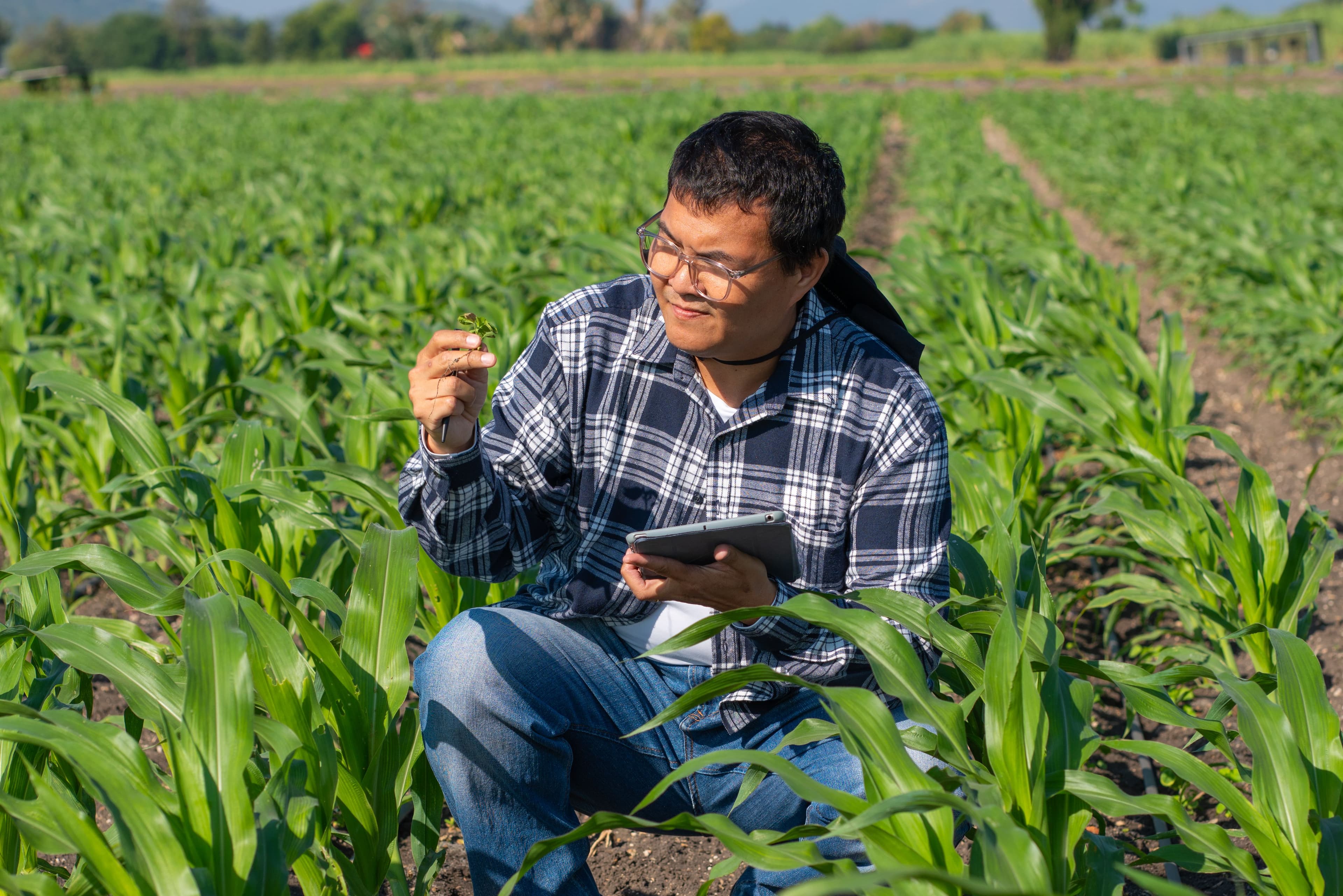
Instead of aiming for a full transformation, AgTech companies succeed when they modernize in three practical steps.
Step 1 – Diagnose before investing
- Map data sources across ERPs, sensors, and field devices.
- Identify integration gaps and duplication.
- Engage farmers, agronomists, and managers early to shape tools that will be adopted.
Step 2 – Start modular
- Prioritize one pressing pain point such as soil data, livestock records, or ERP integration.
- Build for interoperability, not “rip and replace.”
- Start withquick wins with pilots that build confidence for further investment.
Step 3 – Secure, scale, and measure ROI
- Define governance policies and IoT security from the start.
- Track KPIs that boards recognize, such as efficiency gains, cost reductions, or revenue growth.
- Expand gradually across regions or business units once the model proves effective.
This roadmap balances ambition with pragmatism: small steps that unlock value while preparing for larger transformations.
Real-world lessons from AgTech modernization
Several AgTech companies have already shown what this looks like in practice.
Perennial, regenerative agriculture research
Problem: Soil sample data was collected manually, slowing down regenerative research.
Solution: A mobile app enabled fast and accurate collection and analysis.
Impact: Now used across 13.6 million acres, accelerating adoption of regenerative practices.
Grupo El Surco, ERP integration for cross-selling
Problem: Disconnected ERP systems limited collaboration between business units.
Solution: A centralized platform and an AI-powered WhatsApp bot improved visibility.
Impact: Sales teams increased collaboration and cross-selling opportunities.
Explore more of our AgTech projects here.
VAS, dairy management modernization
Problem: Legacy applications were costly to maintain and hard to scale.
Solution: Migration to cloud, improved UX, and a mobile app for field users.
Impact: Costs reduced by more than 30 percent, while scalability and security improved for data on over 10 million cows.
Read the full VAS case study here.
Each example shows the same principle: modernization works best when it is targeted, user-focused, and designed for scale.
A quick checklist for AgTech leaders

If you are leading an AgTech company today, ask yourself:
- Do you know where all your critical data lives?
- Are older systems blocking the integrations you need?
- Can field teams easily use the digital tools you have invested in?
- Do you have governance and security frameworks in place?
- Are you measuring ROI in terms your board will recognize?
If more than two of these answers are “no,” it is time to define a modernization roadmap.
Conclusion: From data to decisions
AgTech’s promise is enormous. But success is not about buying more sensors or building bigger dashboards. It is about turning existing data into usable, reliable insights that drive results.
Modernization does not have to be disruptive. With the right approach—diagnose, start modular, secure and scale—companies can unlock immediate value while preparing for long-term growth.
The businesses that succeed are those that activate their data and make it usable across the value chain.
So here is the question for every AgTech leader reading this: If you had to choose one operational bottleneck to modernize this year, which one would move the needle most for your business?
At Making Sense we help AgTech leaders design these modernization roadmaps. Contact us or schedule a call to explore how technology can unlock growth for your business.
Oct 1, 2025