

How to Modernize Legacy Systems with Cloud-Native Architectures
A practical guide for organizations modernizing legacy systems with cloud-native architectures to boost performance, reduce risk and prepare for long-term scalability.

Dec 4, 2025
The hidden cost of outdated systems
Across the mid-market, leaders are realizing that outdated systems do much more than slow down IT teams. Legacy platforms increase operational risk, drive up maintenance costs, block data initiatives and make it difficult to integrate modern capabilities like AI or real-time analytics. Forbes has reported that technical debt can consume as much as one-third of a company’s technology budget each year, a number that aligns closely with what many mid-market executives experience when their systems are operating on aging architectures.
The problem is more than technological: legacy systems shape how teams work, how quickly decisions are made and how capable the organization is of adapting to market shifts. In a landscape defined by consolidation, customer expectations and rapid change, modernizing is less about rewriting code and more about enabling resilience, speed and scalability.
Cloud-native architectures give companies a clear way forward. They allow organizations to modernize iteratively, reduce dependency on brittle monoliths and unlock flexibility that is impossible to achieve with traditional systems. At Making Sense, we see this pattern across industries including legal, fintech, agtech and security, where mid-market companies need modern foundations to remain competitive.
Why modernizing legacy systems is a business imperative
Legacy systems were designed for another era, but many companies still rely on them to run critical operations. The result is a growing gap between what the business needs and what the technology can support.
Rising operational costs
Maintaining outdated systems typically requires specialized knowledge that becomes harder to find every year. Teams spend more time patching issues than improving the product. Research by Edward Anderson, Geoffrey Parker and Burcu Tan, published in MIT Sloan Management Review, found that brownfield environments carrying legacy code are substantially more vulnerable to long-term decline when AI-assisted development scales quickly. The cost shows up twice: once in maintaining what exists, and again in everything the business tries to build on top of it.

Security vulnerabilities
Older platforms often lack the security controls required today. Missing updates, unsupported libraries and outdated authentication models expose companies to risks that can lead to service interruptions or compliance issues.
Limited scalability
Legacy architectures were rarely built to support integrations with modern tools. This becomes a substantial blocker when companies try to adopt data products, automation or AI models that require cloud-scale infrastructure.
Inability to support M&A
Many mid-market companies grow through acquisitions. After M&A, integrating two or more legacy environments slows time-to-value. Making Sense explored this in detail in the article Innovating Legacy Systems After M&A to Disrupt Markets, where post-acquisition modernization often becomes the foundation for operational alignment.
Modernization goes far beyond updating old technologies. It shapes how a company grows, competes and adapts to new demands. For many organizations, the first step is gaining clarity on their current systems, understanding where the biggest constraints lie and identifying what needs to change to support long-term goals.
What cloud-native architecture brings to legacy modernization
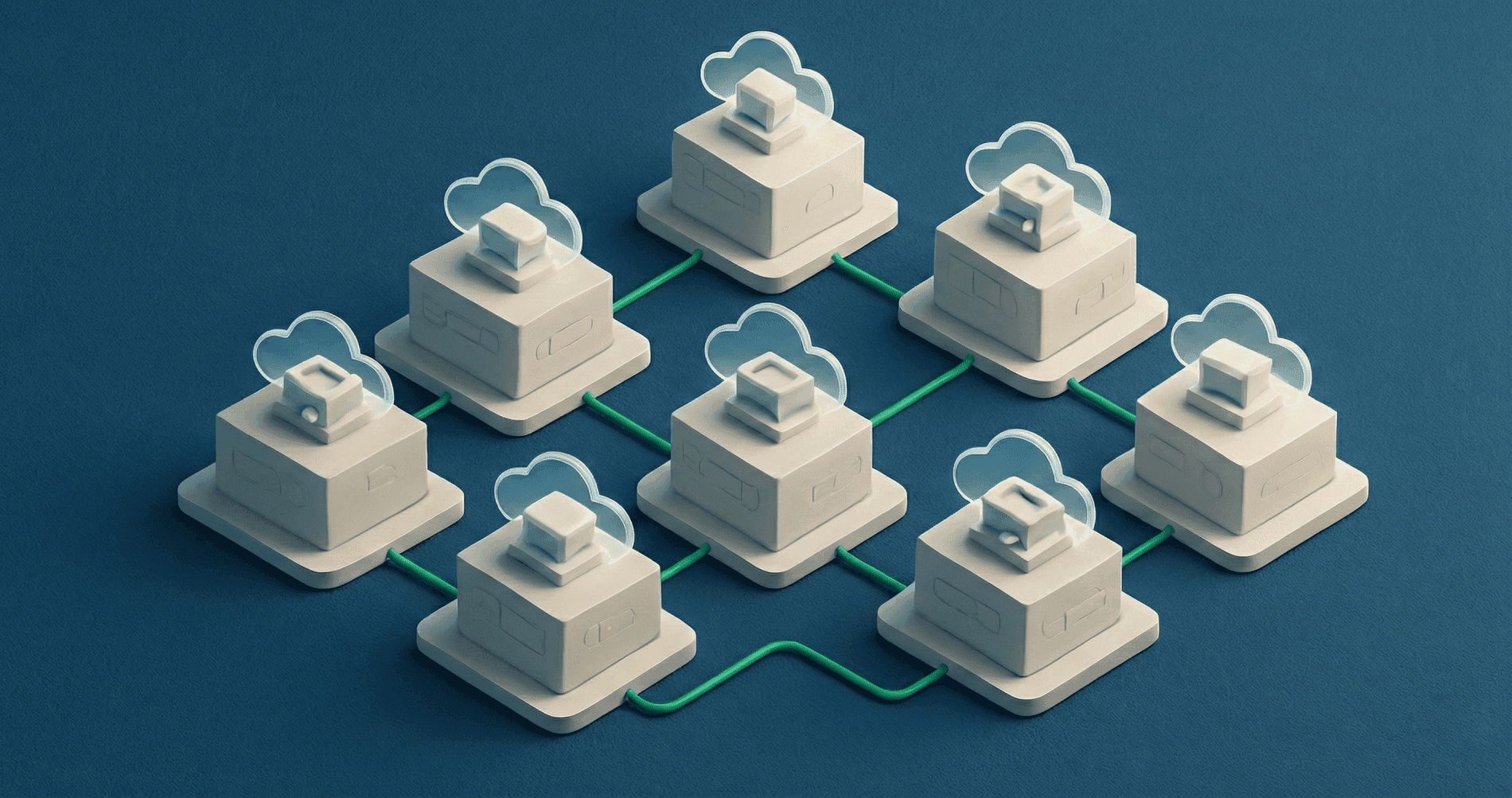
Cloud-native architecture represents a shift in how software is built and operated. Instead of relying on large, tightly coupled systems, it uses modular components that can evolve independently. This approach gives teams the flexibility to scale, release updates faster and adapt to new requirements without disrupting the entire system. The four building blocks below are what most cloud and scalable architectures work is made of, and a legacy to cloud migration that skips them usually reproduces the original system at a higher monthly cost.
Containers
Containers isolate applications, making them easier to deploy and manage. They remove the dependency on specific hardware or environments.
Microservices
Large monoliths are broken into smaller services that can be updated independently. This reduces risk and accelerates development cycles.
Infrastructure as code
Infrastructure becomes programmable, repeatable and versioned. Teams can spin up environments quickly, monitor them automatically and ensure consistency across deployments.
Autoscaling and resilience
Workloads scale based on demand, reducing downtime and optimizing cost.
The real value is that these cloud-native principles create an architecture that can evolve as the business grows. A clear example is our work with VAS, whose decades-old dairy management suite was struggling to scale and support increasingly complex operations. By migrating their fragmented legacy applications into a unified cloud-based platform, VAS improved synchronization, strengthened system reliability, and gained the flexibility needed to expand into new markets. The modernization ultimately enabled a 30 percent reduction in operational costs and supported their expansion to more than 100 countries.
Modernization approaches for legacy systems
Modernization is not a one-size-fits-all project. Different systems require different approaches depending on their age, architecture, dependencies and strategic importance.
Below are the most common strategies companies use:
Replatforming
This approach moves existing workloads to the cloud with minimal modifications. It is ideal when the current system performs adequately but needs better scalability or elasticity. Replatforming is the most common form of legacy to cloud migration, and a reasonable starting point when teams need to reduce infrastructure costs quickly without redesigning the entire application. Worth knowing going in: the architectural constraints that caused the original problem tend to travel with the workload.
Refactoring
Refactoring involves restructuring parts of the system to take advantage of cloud-native capabilities. For example, extracting a high-traffic module from a monolith and running it as a microservice. This option balances modernization with risk mitigation because the transformation happens incrementally.
Rebuilding
Some systems are too rigid or outdated to support the needs of the modern business. Rebuilding from the ground up allows companies to design an architecture that aligns with their long-term goals. While it requires a larger upfront investment, it often results in higher impact and lower maintenance costs.

Hybrid or iterative modernization
Most mid-market organizations adopt an iterative approach. They modernize the most critical or fragile parts of their system first, then progressively refactor or rebuild remaining components. This approach reduces disruption and allows companies to deliver value continuously during the process.
For deeper insights, this related article explores these paths in more detail.
Common challenges in cloud-native modernization
Despite the clear benefits, modernization projects encounter recurring obstacles that can stall progress if not addressed early.
Unclear priorities
Many organizations want to modernize everything at once. Without a clear prioritization framework, resources get spread too thin, and teams lose focus.
Underestimated technical debt
Legacy systems often hide complexity. What looks like a simple module may contain intertwined dependencies. Mapping the architecture early is essential to avoid surprises.
Skills gaps
Cloud-native requires expertise in containers, orchestration platforms, observability tools and automation. Mid-market teams may not have all these capabilities in-house, which is why working with a partner can accelerate progress.
Cultural resistance
Modernization introduces new workflows, new deployment processes and new expectations around documentation, monitoring and ownership. Organizations must invest in change management and training, not just code.
Integration challenges
Modern systems often need to communicate with older platforms that cannot be replaced immediately. Designing APIs, queues or sync mechanisms becomes critical to maintaining business continuity.
Post-M&A companies face unique challenges because they often inherit multiple outdated systems. In these scenarios, cloud-native architectures offer a way to unify environments without replacing everything at once. Read more about innovating legacy systems after M&A here.

Best practices to ensure a smooth modernization journey
Successful modernization requires more than technical execution. It involves strategy, governance, culture and continuous alignment between business and engineering.
Below are best practices we consistently see succeeding across industries.
Start with a discovery phase
Organizations need clarity before writing code. A structured discovery helps map the existing architecture, quantify the impact of different modernization paths and align stakeholders around a shared vision. At Making Sense, discovery includes technical assessments, interviews, risk mapping and business-level analysis to understand how the transformation will support long-term goals. Legacy system modernization efforts that stall usually do so because sequencing was decided before anyone mapped what depended on what.
Prioritize based on impact
Not every system needs the same level of transformation. Some components are mission-critical, others create bottlenecks and others can remain stable for years. A solid prioritization model prevents over-engineering.
Adopt modular design
Research from MIT CISR highlights that organizations with modular system designs adapt more quickly because teams can upgrade or replace components without disrupting the entire platform. Their findings show that modularity encourages faster experimentation, reduces interdependencies that slow development and supports a more predictable evolution of complex systems. This makes modular architecture a strong foundation for modernization efforts that need to deliver value continuously rather than through large, disruptive releases.
Automate wherever possible
Automation increases consistency and reduces manual work. Automated testing, continuous integration and continuous deployment (CI/CD) pipelines create predictable release cycles and decrease the risk of production errors.

Implement FinOps early
Without cost governance, cloud expenses can escalate quickly. FinOps practices help organizations monitor usage, optimize resources and align spending with business goals.
Invest in team development
Cloud-native modernization relies on people as much as technology. Training, documentation and cross-functional collaboration help teams build confidence and reduce friction during adoption.
Measure progress continuously
Metrics such as deployment frequency, incident rate, time-to-recovery and customer-facing performance indicators ensure that modernization is delivering business value.
Success indicators. What good modernization looks like
When done well, modernization produces both technical and organizational improvements.
Faster release cycles
Teams can deploy updates weekly or even daily instead of monthly. This increases flexibility and shortens the time it takes to respond to market changes.
Lower maintenance costs
Cloud-native systems require less manual intervention. Automated infrastructure and modular components reduce the number of incidents and support tickets.
Improved system stability
Resilient architectures handle spikes in traffic, recover quickly from failures and maintain consistent performance.
Better customer experiences
Faster load times, fewer outages and smoother workflows directly impact customer satisfaction, loyalty and conversion.
A platform ready for AI and data products
Data integration becomes easier when systems are modular and cloud-based. Many mid-market companies want to integrate predictive analytics, automation or large language models. Modernization provides the foundation to do this effectively.
Greater alignment between business and technology
When teams can test ideas quickly and release improvements without slowing down operations, the organization becomes more adaptable and competitive.
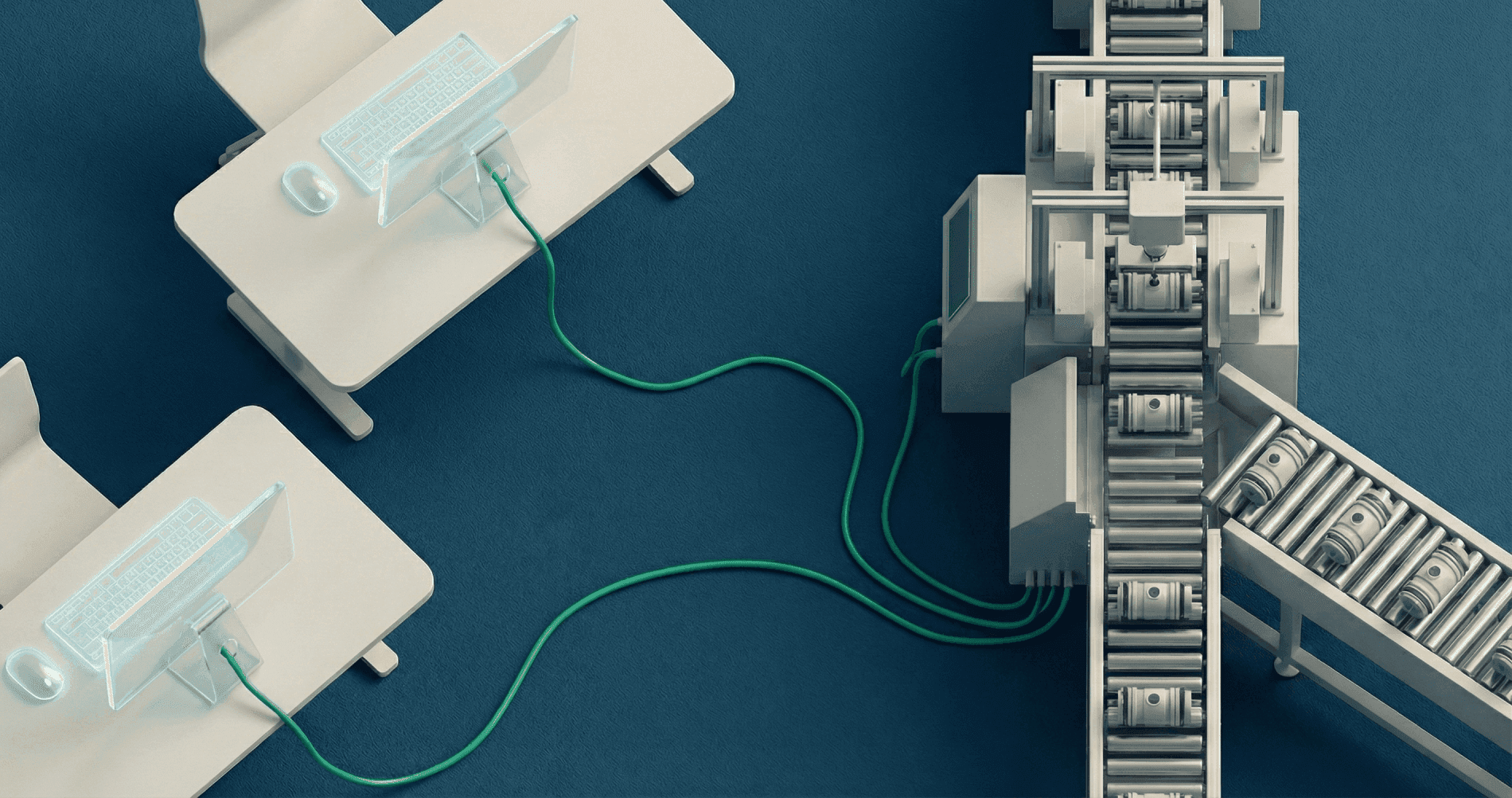
At Making Sense, we see modernization as a long-term enabler. It increases valuation for private equity–backed companies, improves EBITDA through efficiency gains and gives organizations a platform that grows with them.
Moving toward a cloud-ready future
Modernizing legacy systems is one of the most impactful steps an organization can take to strengthen its operational foundation. Cloud-native architectures offer a practical, scalable way to evolve without disrupting business continuity. By combining technical strategy, modular design and a clear roadmap, companies can unlock new levels of agility, cost efficiency and resilience.
If you want to understand where your systems stand today and which modernization path will deliver the highest business impact, explore our Legacy System Modernization services or reach out to our team for an initial assessment.
Dec 4, 2025