

6 AI Trends That Will Define the Second Half of 2026
The pilot phase is over. Six trends shaping what mid-market companies and PE firms need to focus on before year-end.

May 27, 2026
June is almost here. Every week something changes in AI: a new model, a new capability, a benchmark that resets expectations. But underneath that noise, something more structural has been shifting in H1 2026.
A year ago the question was whether to adopt AI. Six months ago it was where to start. Right now, the question is why the results aren't matching the investment, and what to do about it before year-end.
These are the six trends shaping that conversation heading into H2. Not predictions, patterns already in motion that will demand a response before the year is out.
Trend 1: Execution depth will separate the winners from the waiters
The companies pulling ahead in H2 aren't necessarily the ones that adopted AI earliest. They're the ones that embedded it far enough into their operations that removing it would break something.
According to Anthropic's 2026 State of AI Agents Report, 57% of organizations are already running multi-step agent workflows, and 81% plan to expand into more complex use cases before year-end. The distribution of that activity matters as much as the aggregate numbers. Where agents run inside a business determines what that business can actually do with them.
A company where AI is embedded in the processes that generate revenue or protect margin is in a structurally different position from one where it operates at the periphery. The operational question for H2: which of those two descriptions fits your business, and how far does the answer hold up under scrutiny?
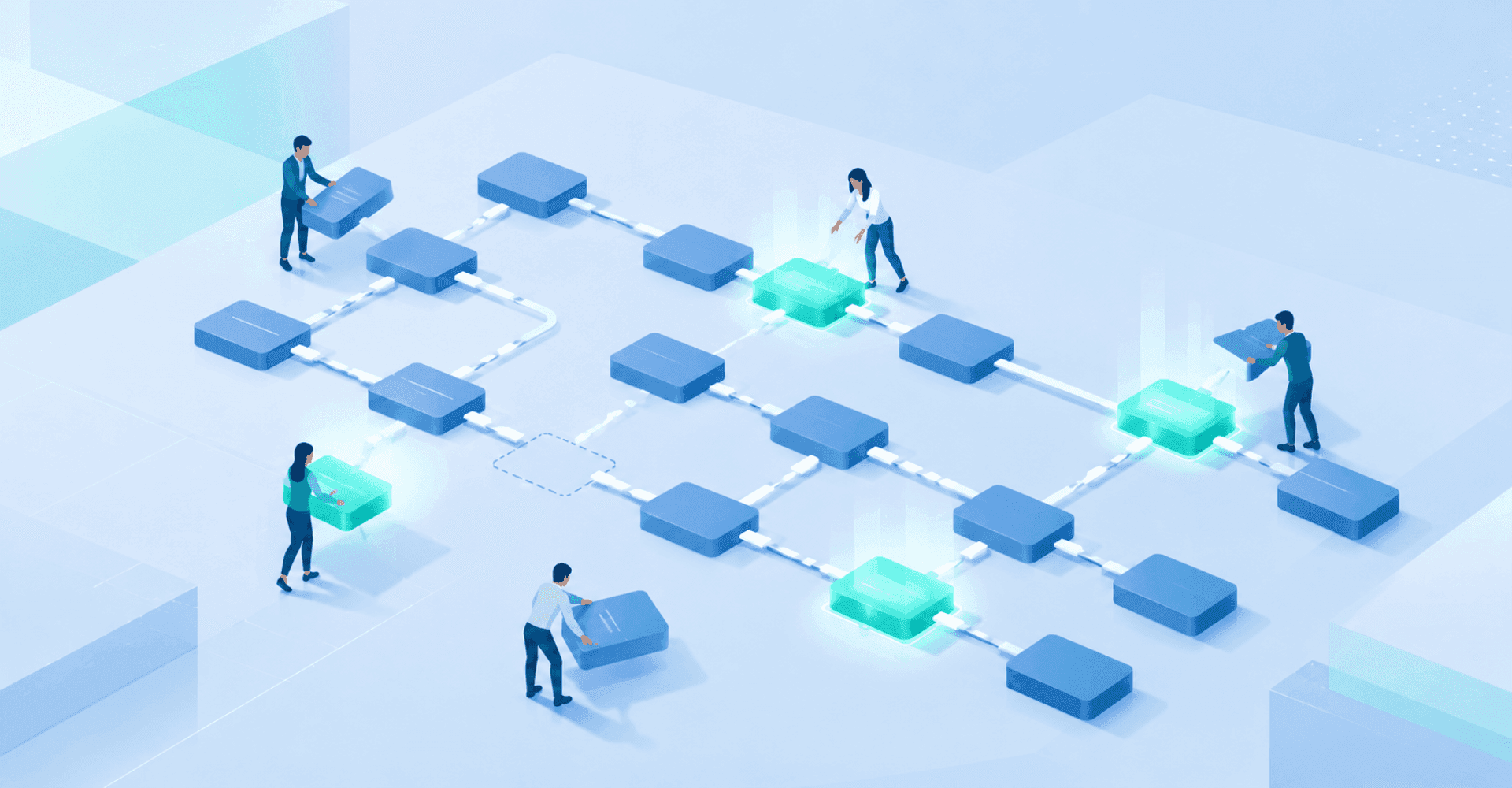
Companies with real integration depth tend to share a few characteristics:
- AI is connected to core systems, not running alongside them on a parallel track
- The data it works with reflects actual operations, not cleaned-up exports prepared for a demo
- Expanding its scope in one area doesn't require starting a new procurement or risk conversation from scratch
For operators, this is worth mapping explicitly before year-end. Which processes does AI touch? Which of those directly connect to revenue or cost structure? How many layers in does that connection go? The answers reveal whether AI is a productivity layer sitting above the business or a functional part of how it runs.
For investors, the due diligence framing has shifted accordingly. Asking whether a portco uses AI has stopped being informative. The more useful questions are which systems it's integrated with, what operational evidence of impact exists, and whether that integration is deep enough to represent real capability or simply tooling at the margin.
Trend 2: AI readiness will become a baseline in every serious transaction
There was a time, not long ago, when a company showing up to a PE conversation with an active AI roadmap could earn credit for forward-thinking positioning. That window has closed. As Fortune reported in late 2025, 85% of buyers now factor AI-enabled capabilities directly into company valuations. That number signals how far and how fast the conversation has shifted.
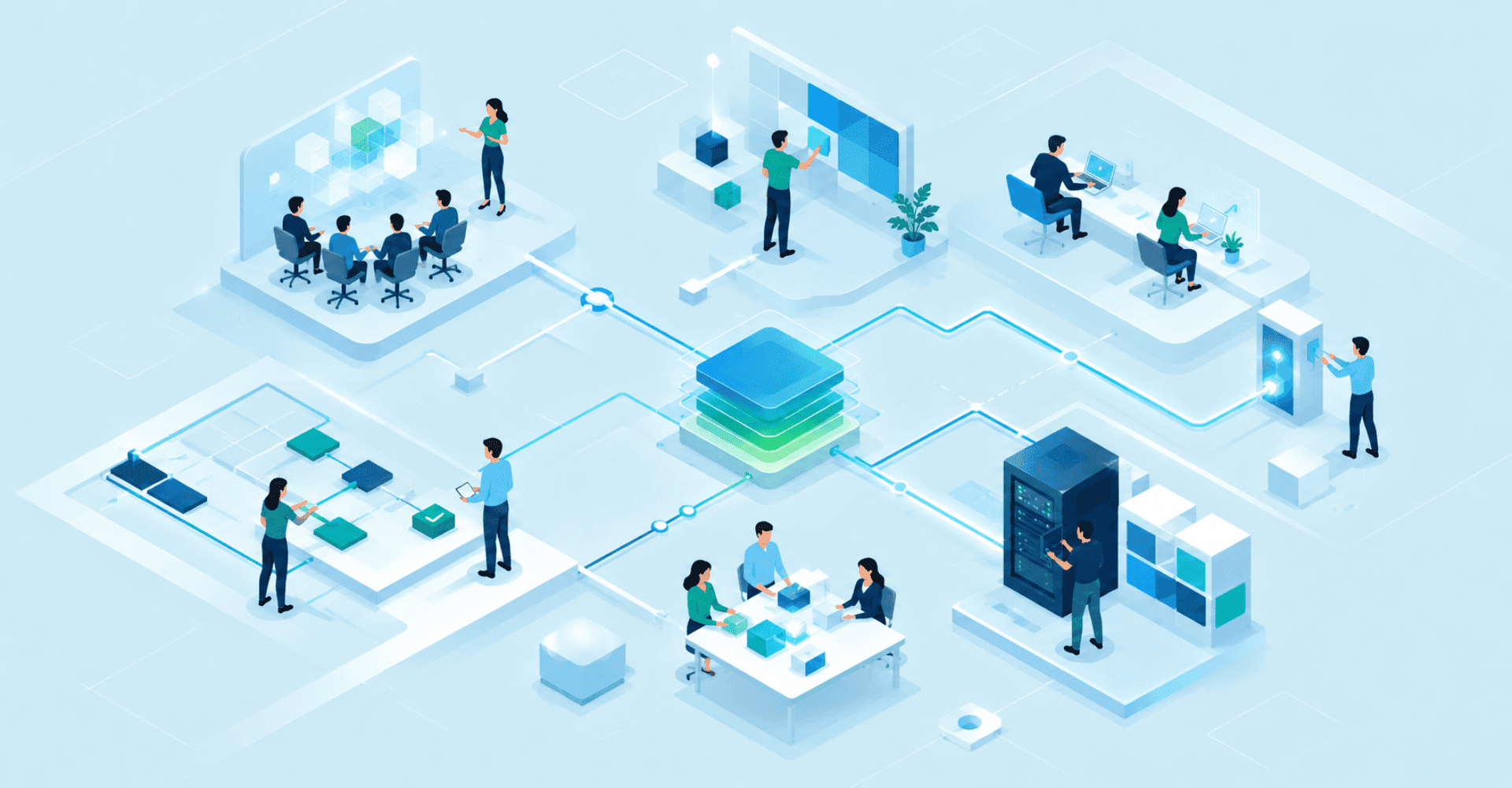
The shift is less about how much AI a company has and more about where it runs. PE firms have gotten better at telling the difference between a company that deployed tools and one that built real operational capability. The signals they focus on are consistent:
- Whether AI is embedded in processes that drive revenue or reduce cost.
- Whether teams are actually using it in their daily work, not just in demos.
- Whether there are measurable results that hold up to scrutiny, not just productivity anecdotes.
For operators thinking about a transaction in the next one to two years, H2 is the window to close that gap. Not by adding more tools, but by documenting what's already running, cleaning up what isn't working, and building the narrative around outcomes rather than initiatives.
Trend 3: Companies scaling AI without governance will hit a ceiling
Most teams scaling AI right now are focused on adding use cases. Few are asking what happens when the system they're building outgrows the oversight they have in place.
In the past months, governance stopped being the thing that slowed AI programs down (the compliance requirement, the legal checkpoint, the reason things took longer than they should). H1 flipped that. According to Salesforce's 2026 Connectivity Benchmark, produced with Vanson Bourne and Deloitte Digital, 89% of enterprises are now running AI agents across most or all of their teams. Only 54% have a formal governance framework in place. The ones in that 54% are, consistently, the ones scaling faster.
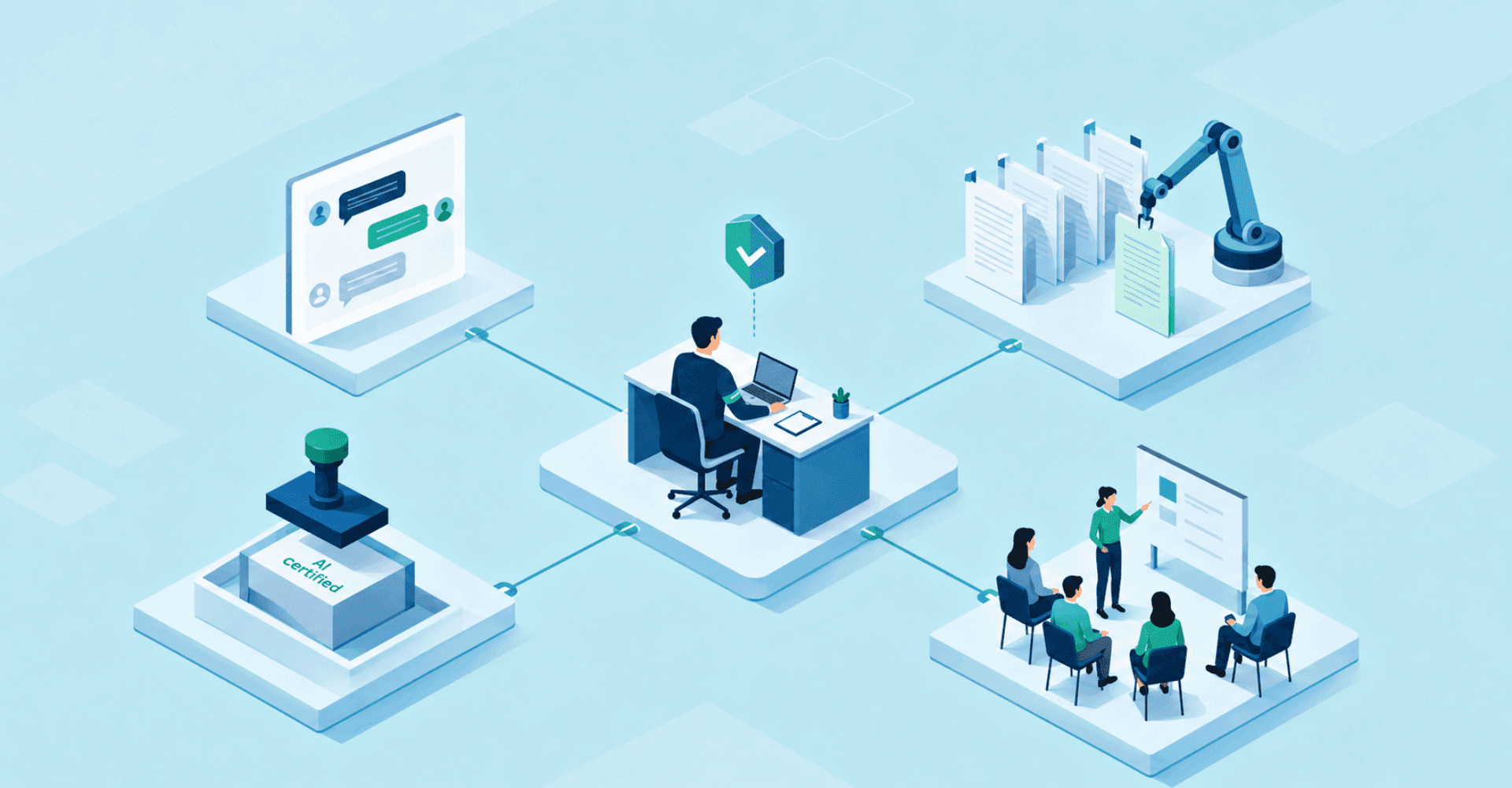
In practice, what happens without audit trails, defined permissions, and clear lines of oversight is that every decision to expand an agent's scope requires a new conversation about risk. That conversation takes time, creates friction, and limits how quickly teams can move.
When the infrastructure exists, expansion becomes a process instead of a negotiation. Teams can add use cases, increase agent autonomy, and move into new functions without rebuilding trust from zero each time.
For operators, getting governance right in 2026 is what allows you to say yes faster. For investors, it's a meaningful signal of operational maturity and, increasingly, a factor in how scalable a portco's AI capability really is.
Trend 4: Building custom will go from smart option to competitive necessity
The economics of building custom software changed faster than most teams updated their assumptions.
For most of the last decade, the default answer to "should we buy or build?" was almost always buy. SaaS was faster, cheaper, and good enough. Building custom software was expensive and slow, and hard to justify unless the use case was very specific. That logic is under real pressure in 2026. According to Retool's 2026 Build vs. Buy Report, covered by Newsweek, 35% of enterprises have already replaced at least one SaaS tool with something they built themselves, and 78% expect to build more before the year is out. The cost of building custom software has dropped significantly as AI coding tools have matured. What used to take months can now be prototyped in days.
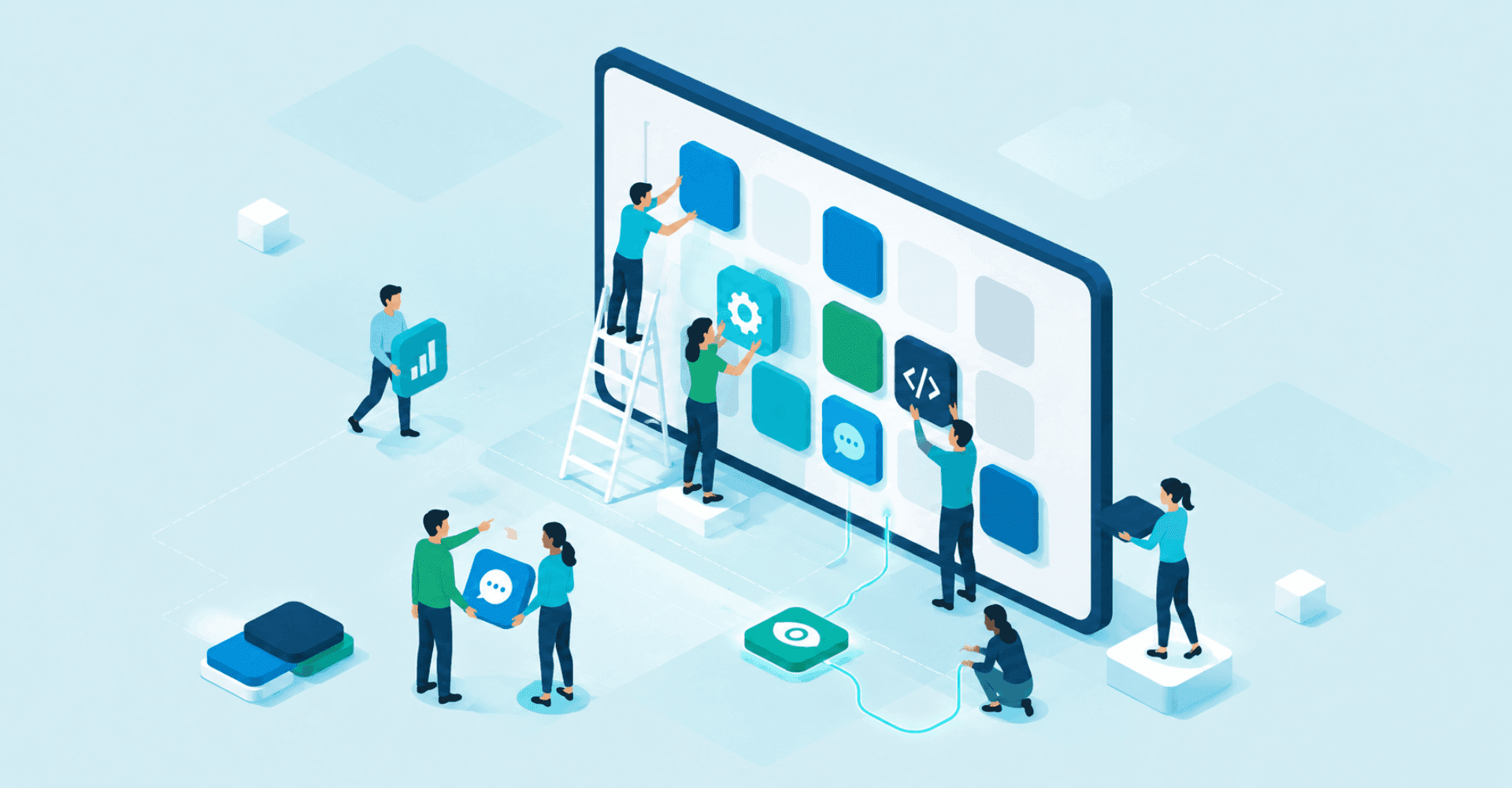
The more useful question is which parts of your operations are actually differentiating. For workflows that are generic, standard SaaS still makes sense. For the workflows where your data, your process, or your client relationship is the competitive advantage, building custom has become a viable and often smarter choice.
For investors, this trend is worth tracking at the portco level. A tech stack built around proprietary workflows looks very different from one assembled entirely from off-the-shelf tools. The first creates barriers. The second doesn't.
Trend 5: AI systems built without flexibility will start showing their age
It already happened once. And the teams that lived through it are the ones most prepared for what's coming.
Remember when the smart move was to build your customer support on a decision-tree chatbot? It was the right call at the time. Structured, scalable, cheaper than headcount. Then LLMs arrived and those systems went from state-of-the-art to visibly limited almost overnight. Not because the teams that built them did anything wrong, but because the underlying technology shifted faster than anyone expected.
That dynamic is now the baseline, not the exception.
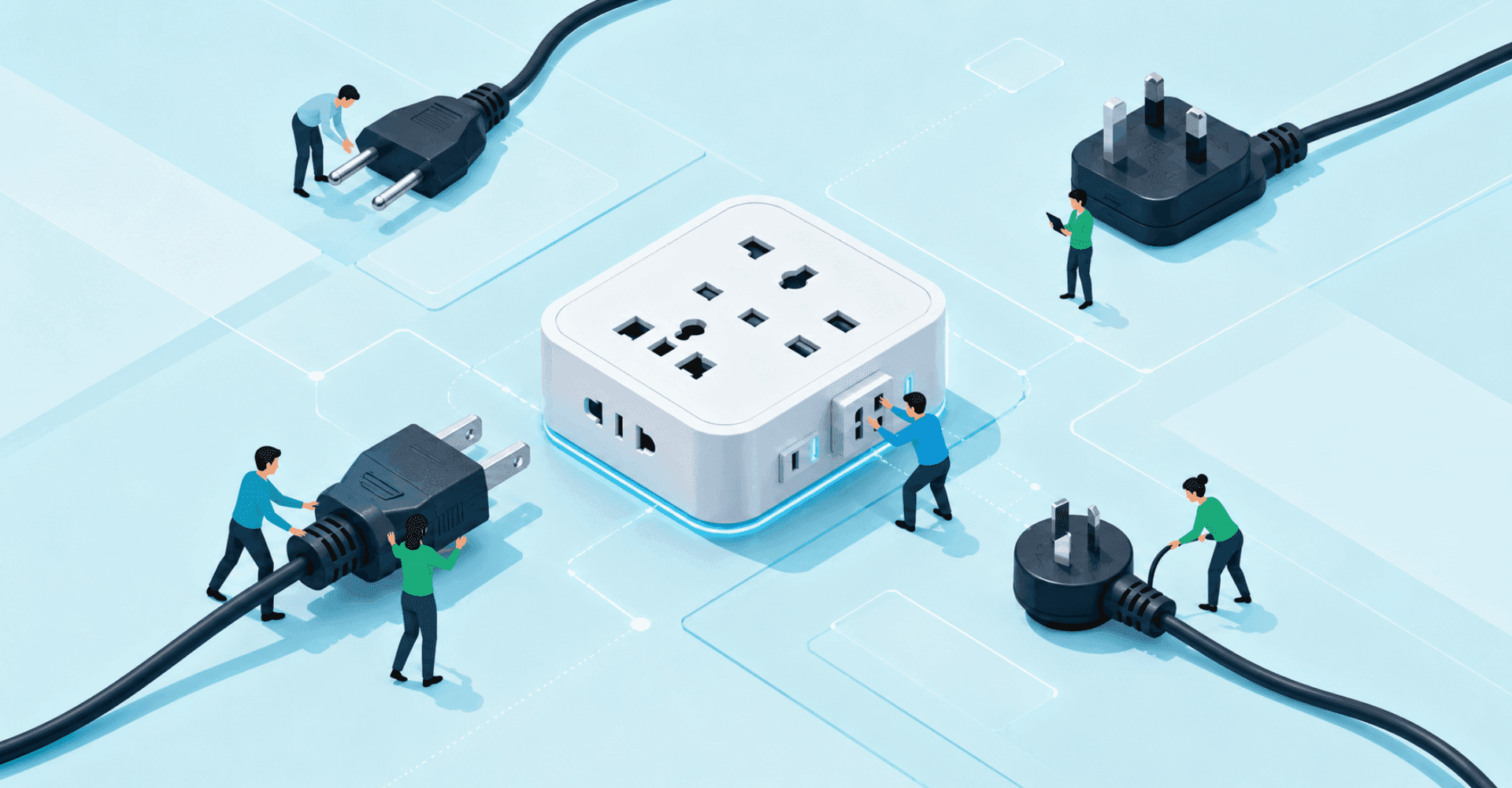
The practical implication of this trend isn't to rebuild your stack every six months. It's to build AI systems with the assumption that the underlying components will change. That means clean interfaces between your workflow logic and the models it calls, and clear criteria for when to evaluate alternatives.
The question worth asking now: is your AI architecture designed to evolve, or is it built around a specific tool that made sense eighteen months ago?
Trend 6: Companies that only deployed AI will plateau, and no new tool will fix it
The ceiling most AI programs are about to hit has nothing to do with the tools they chose.
The pattern is consistent across implementations that stall: clear use case, structured rollout, team training, and six months later individual productivity is up while the organization operates largely the same way it did before. People work faster on specific tasks. Decisions still travel the same routes. Approvals still sit in the same places.
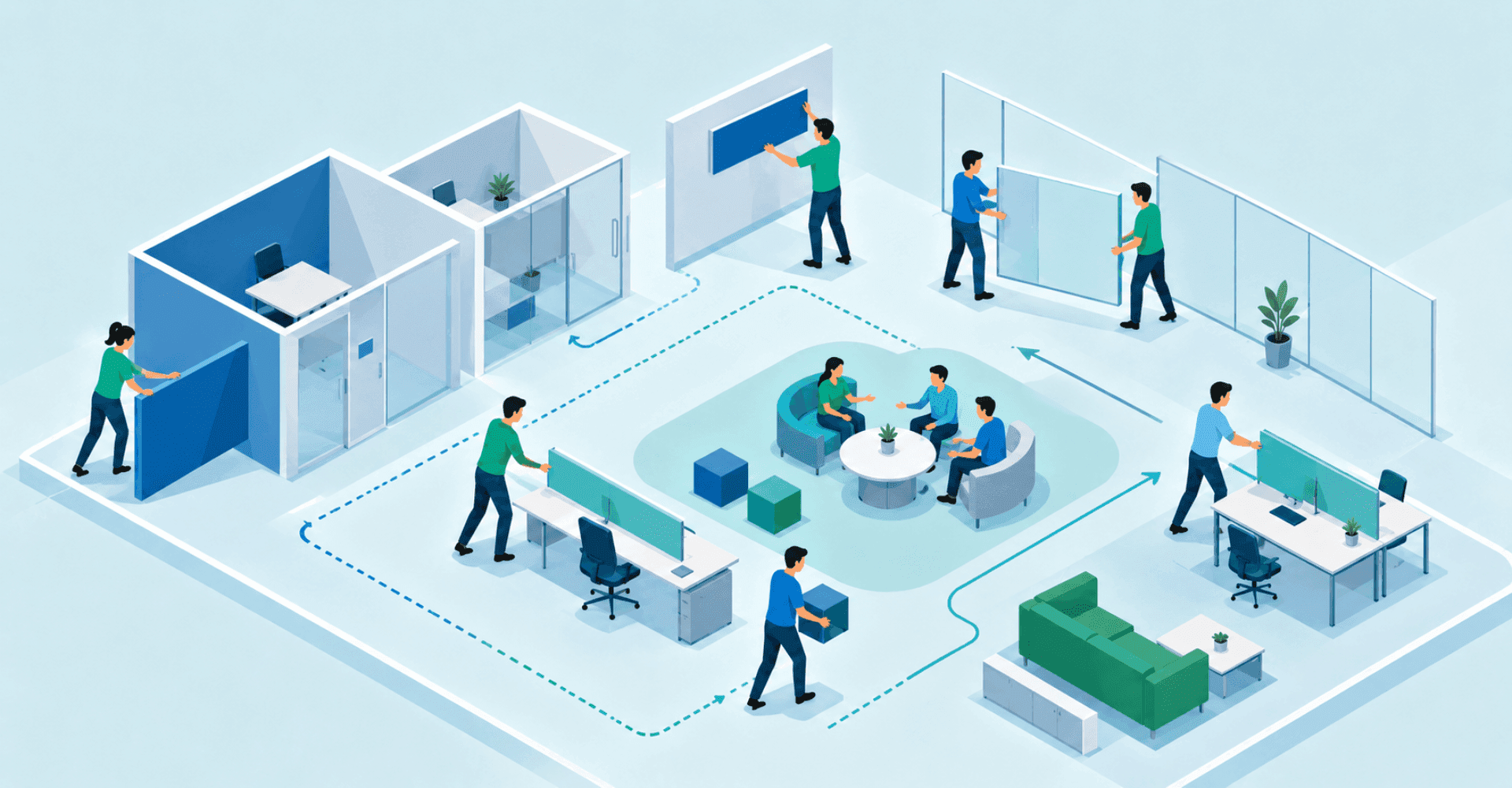
The org structure wasn't designed for this. Most companies deployed AI into roles and reporting structures built around a different set of constraints: what required human judgment, what could be delegated, where decisions needed to sit. Those constraints have shifted materially. The org charts often haven't.
MIT Sloan Management Review has documented that among the most consistent barriers to AI scaling beyond pilots, misaligned organizational structures appear more reliably than technical limitations. The bottleneck is rarely the model.
The companies getting structural returns from AI are asking questions that most implementation roadmaps don't include. Which roles exist primarily because information was hard to access, slow to compile, or expensive to act on? Where does a human stay in the loop because the task genuinely requires judgment, and where does it happen out of habit? What decisions could now happen closer to the work because the information is available in a fundamentally different way?
For H2, the most productive move for many companies is going back to what's already running and asking whether the structure around it has actually kept up.
Heading into H2
The companies that will create disproportionate value in H2 2026 are the ones integrating AI deeply enough to change how the business operates, scales, and makes decisions.
The gap between experimentation and operational transformation is now the real divide in the market.
The companies moving fastest right now are treating AI as an operational strategy, and the results are starting to show.
Whether the challenge is governance, workflow redesign, AI integration, or identifying the next layer of value creation, the window to act is open now. Schedule a free 30-minute call with our team and walk away with a clear picture of what to prioritize in H2.
May 27, 2026